Let’s be clear from the start. As a Founder or Practice Owner running a 10-person firm, you’ve heard it all before: the promises of AI and automation transforming everything overnight. If it all sounds suspiciously like hype, you’re right to be sceptical—even when the topic is improving profit margins in your firm rather than chasing the latest trend.
But the reality now emerging in our industry isn’t about a sudden revolution. Instead, it’s the small, accumulating improvements that can quietly help your firm run sharper and stay more profitable—without losing control or making cuts to your people. This is about time and margin, not magic.
We see this week in and week out, working directly with firms like yours to improve profitability without burning out your team.
Myth of ‘Automated Everything’
Accountancy Age recently covered what makes the ‘firm of the future’: more automation, more advisory, and more client-focused technology. The headlines can make it sound as if everything humans do is heading for extinction. If you’re anxious—if automation does the data entry, what exactly is left for your team?—you’re not alone.
Let’s get concrete. If you walk the floor in a typical 10-person firm, here’s what you’ll actually see:
The same team.
But the ones using automation aren’t spending hours chasing clients for paperwork or manually re-typing invoice after invoice. The work shifts. It doesn’t vanish.
Where Your Profit Margin Goes to Die
You already know where your team’s time drains away: endless emails to clients, nudges for missing receipts, logging into supplier portals and then copying data across. It’s always one more file, one late invoice, or one credit note holding up the process, quietly inflating operating expenses while adding nothing to revenue and profit.
You see the impact in staff frustration and missed deadlines. More quietly, though, it’s your profit margins that suffer. In a firm your size, the difference between profit margins often isn’t headline-grabbing projects or new service lines. It’s the background waste you’re tolerating every single week that eats into operating profit and holds back business profitability.
You may not be tracking it exactly, but you certainly feel it. The team is busy, the workflow is ticking over, but you can’t grow your capacity unless you’re hiring again. That ongoing overhead quietly limits how many new clients you’ll be able to take on and makes improving profit margins in your practice feel like an uphill battle.
Here’s an illustrative example: imagine hours each week spent by your team just on downloading and keying invoices, waiting for receipts, and chasing paperwork. Multiply that across a month, and then a year. That’s a significant chunk of time on work delivering little direct value for you or your clients, when it could instead be used to increase capacity, support better pricing strategies, or help small business owners understand their numbers.
Automation, Profit Margin and Focus
The real shift is this: automation tools like AccountsPro are not about replacing your team. They cut the drudge work so you and your staff can spend those reclaimed hours reviewing work, talking to clients, or streamlining processes further. That’s where you can boost capacity, support better cost control, and ultimately improve profit margins without relying solely on raising prices.
Your role doesn’t shrink. It actually grows.
Remove all that re-keying, and you suddenly gain space to look for anomalies, tidy up the month-end without the rush, deliver real insights to clients, or simply take on more clients—without extra hires. If you are ROI-focused (and as a firm owner, you have to be), this isn’t about blue-sky innovation. It’s about capacity and control.
That’s why, when we see new advisory and client service offerings succeed, it’s often because time has been freed up first. The bottleneck isn’t ideas. It’s manual labour hours lost to processing.
AccountsPro in Practice
Let’s get practical.
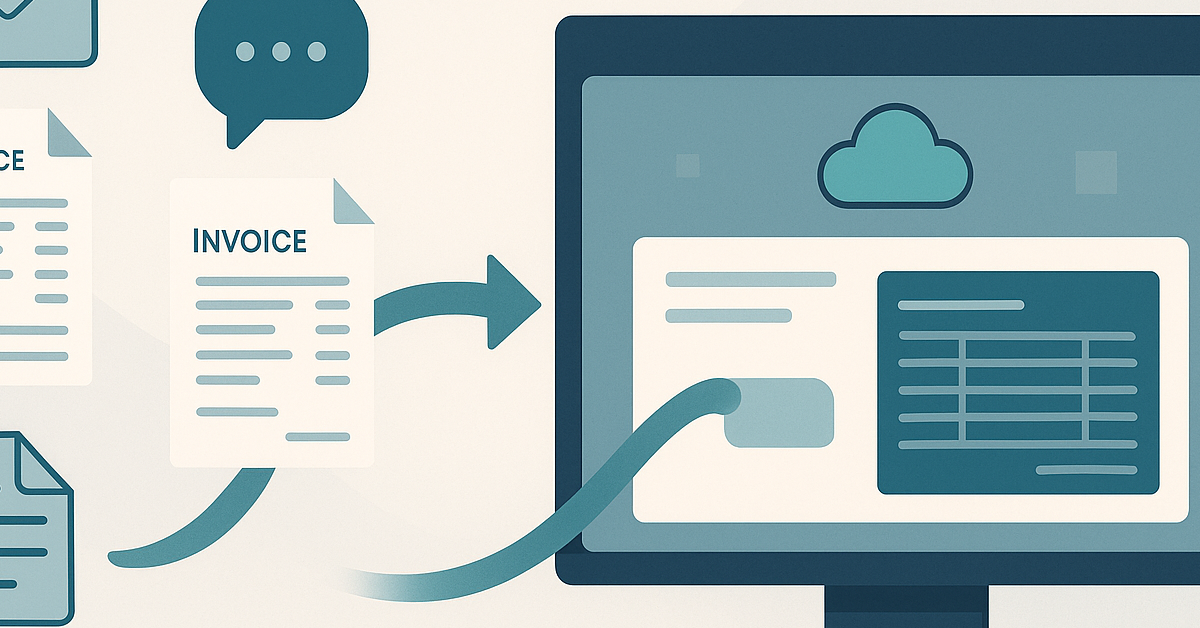
We designed AccountsPro for firms like yours because the simplest gains are the biggest: capture every invoice or receipt from key client channels such as email, WhatsApp, supplier portals, or a client’s Dropbox, then help you get them into Xero, QuickBooks, or FreshBooks.
No more manual downloads. No endless toggling between tabs or retyping. Less chasing clients for missing JPEGs or PDFs—if it lands in email or WhatsApp, it can be captured and organised for processing. Your team reviews and approves, but they don’t need to type it in.
A worked example, for illustration: with AccountsPro, if a 10-person firm were to reclaim meaningful hours per week across the team, that could add up to hundreds of hours a year back. That’s space to add 10–15 new clients without hiring, or a way to protect your margin if client workloads rise. It becomes easier to maintain a healthy net profit margin while still delivering a high-touch product or service experience.
All without disrupting the workflow or making anyone redundant. That’s usually left unsaid in tech pitches, but it’s the bit you actually care about.
When you reclaim those hours with bookkeeping workflow automation, you create options for improving profit margins in bookkeeping and advisory work. You can revisit your pricing strategies, consider a carefully managed price increase for complex clients, or simply focus on reducing costs tied to low-value admin. That mix of increasing revenue from higher sales to the right clients and trimming operating cost where it adds no value is what strengthens gross profit and net profit over time.
How Automation Helps Advisory and Profit Margins
You’ll see Accountancy Age and others talk about the ‘advisory pivot’—firms becoming more consultative. But the time for your team to learn those skills or build new types of service just doesn’t exist if they’re still keying data or managing endless paperwork.
By removing the data entry, you free them up to review work, spot errors, or reach out to clients about potential issues. That’s the foundation for giving real insight—no need for grand new service lines—and for helping business owners make better business decisions around pricing, cost management and cash flow.
The technology does the groundwork. Your people do the thinking. Clients only notice better, faster, more responsive service.
For many small business owners, terms like gross profit margin, net profit, cost of goods sold, and direct costs are unfamiliar. When your workflows run smoothly, you can walk them through the different types of profit using clear financial data rather than rushing to hit deadlines. That space to explain gross profit margin or net profit margin in plain language is where you boost the perceived value of your work and support growing your business alongside theirs, while also helping them understand the broader financial health of their company.
Not About Blind Faith—About Proof
You’re not easily swayed by trends or slick demos. You want to see that real firms, run by owners just as practical and ROI-driven as you, are genuinely getting hours and pounds back so they can build consistently high profit from everyday work rather than occasional windfalls.
That’s why every AccountsPro feature is designed with one key outcome in mind: hours saved per week. As you increase the hours saved across the team, the ROI becomes more tangible and repeatable. Crucially, your team then get more time to review, correct, and add value—keeping clients longer and increasing referrals. Over time, that time saving for bookkeepers is what helps businesses improve profit per client without squeezing service quality, using the freed-up capacity to benchmark performance, refine business strategies, and make more thoughtful decisions about which costs to cut altogether.
The ‘firm of the future’, as Accountancy Age points out, isn’t necessarily a tech giant or an AI showcase. In reality, it’s the firm that keeps overheads low per client but still delivers accurate books and timely service by using accounting software and automation intelligently. Margins, not magic—and a clear focus on improving profitability through practical changes to workflow, cost-cutting where it makes sense, and not just increasing sales volume.
What to Do This Week
- Make a hard list of the manual steps your team takes to get receipts and invoices into Xero, QuickBooks or FreshBooks—from chasing clients and file downloads to typing into the ledger. Treat it as a first pass at mapping your bookkeeping workflow automation opportunities.
- Roughly tally the hours this adds up to across your team for one week.
- Imagine, conservatively, what that saved time would mean: more clients, less overtime, fewer hiring headaches, or better margin. Ask how you would use that capacity to boost advisory conversations, revisit pricing, or support existing customers more proactively.
- Book a short AccountsPro demo. Bring your real processes—no filter. We’ll highlight where you’re likely to save time, or be upfront if you won’t.
Accountancy Age is right: the future firm is the one where automation underpins better service, not people being replaced. But it’s about locking in a more robust, future-proof margin starting now so you are consistently improving profit margins for the clients who rely on you to explain what the numbers really mean.
If you want to see how similar firm owners are getting proof—not just promises—from automation, ask for real examples. We’re happy to show the numbers.
No hard sell. Only what’s practical, proven, and ready for a founder like you.
Over time, these small, deliberate steps help you maintain healthy profit margins, improve efficiency across your team and steadily improve profitability. You are not looking for 5 ways to transform everything overnight; you are building a simple set of key strategies that compound—better cost management, clearer pricing, and automation that supports stronger financial performance for you and your clients.
Frequently asked questions
How can profit margin be improved?
For firms like yours, profit margin is typically improved by freeing up capacity through automation, then using that time to review workflows, revisit pricing and focus your team on higher-value client work. Reducing low-value manual processing and using the extra capacity to support better conversations with clients is often more effective than chasing headline-grabbing new services.
In many firms, a good starting point is to benchmark where you are now: how many hours your team spends on low-value processing work, what your typical margin looks like across different client segments, and which clients or services create the most strain on capacity. From there, you can look at practical cost-cutting, smarter use of automation and more focused business strategies that align your team’s time with the clients and services that genuinely support sustainable profit.